
Key Takeaways
- Accurate disability metrics are essential to modern ESG reporting and influence trust and strategic talent decisions.
- Implementing consistent data collection and cross-functional collaboration can support compliance and continuous improvement.
Disability metrics have become a vital part of ESG (Environmental, Social, and Governance) reporting as organizations pursue greater inclusivity and transparency. Understanding how to measure, report, and enhance disability-related data can reveal compliance risks, shape internal strategies, and drive meaningful progress across your organization.
What Are Disability Metrics in ESG?
Defining ESG Disability Metrics
In ESG frameworks, disability metrics are specific data points that highlight the representation, inclusion, and support of people with disabilities in your workforce and organizational practices. These metrics typically cover employment rates, accessibility policies, recruitment initiatives, and accommodations provided. Their purpose is not only to reflect diversity but also to show how effectively your organization fosters an accessible, equitable environment.
How Data Is Gathered
Disability-related data is collected through voluntary employee self-identification, anonymous surveys, and HR information systems. Many organizations carefully navigate privacy, data protection, and compliance when gathering this information. Regular input from internal diversity teams or external consultants can help ensure your methods remain respectful, transparent, and aligned with evolving regulatory requirements.
Why Include Disability Metrics in Reporting?
Impact on Stakeholder Trust
Transparent disclosure of disability metrics enhances credibility with investors, customers, and employees. When you show a genuine commitment to accessibility and equitable opportunities, key stakeholders naturally build trust. This transparency also aligns your organization with growing social-responsibility expectations documented in current ESG frameworks.
Role in Talent Strategy
Disability metrics are not only a reporting tool—they can directly influence talent attraction, retention, and development. By demonstrating measurable progress in workplace accessibility and support, you send a clear signal to existing and potential team members about your organizational culture. This, in turn, can expand your talent pool and foster a more innovative, resilient workforce.
Key Disability Metrics to Track
Workforce Representation Rates
Tracking workforce representation provides a quantitative view of your progress. You can monitor the percentage of employees who voluntarily self-identify as having a disability, analyze hiring and promotion rates, and assess representation across organizational levels. This information helps you uncover potential barriers and target interventions where they are most needed.
Accessibility Initiatives Tracked
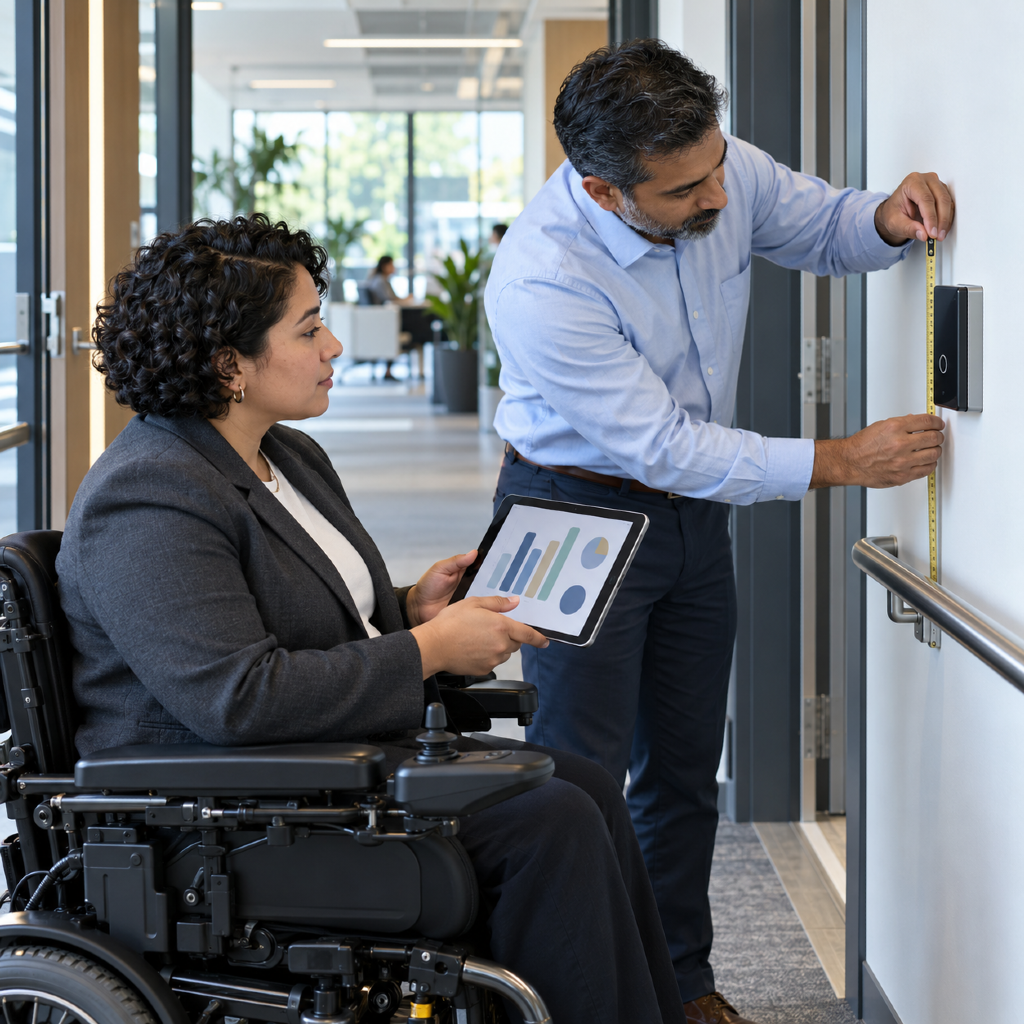
Effective ESG reporting also entails documenting the scope and impact of accessibility efforts. These may include physical workplace modifications, investments in assistive technology, the effectiveness of accommodation processes, and the implementation of inclusive hiring practices. Tracking these initiatives lets stakeholders see concrete actions—not just intentions—behind your commitment to accessibility.
What Compliance Challenges Exist?
Regulatory Framework Overview
Regulatory landscapes for ESG and disability reporting are evolving rapidly in 2026. You likely navigate national laws (such as the Americans with Disabilities Act in the US), sector-specific requirements, and global standards (e.g., GRI, SASB). Each has its own definitions, disclosure practices, and audit expectations. Staying up to date on these frameworks ensures your reporting meets legal requirements and aligns with best-practice expectations.
Common Reporting Obstacles
Several obstacles may complicate your efforts to track and report disability metrics:
- Privacy Concerns: Protecting employee data is essential, often limiting how much detail you can publicly disclose.
- Data Gaps: Many companies face incomplete or inconsistent self-identification rates, especially where stigma or cultural hesitancy remains.
- Changing Definitions: The definition of disability—and how it’s measured—can vary by jurisdiction and regulatory framework, introducing additional complexity.
Addressing these challenges requires ongoing review and consultation with subject-matter experts and legal counsel.
Best Practices for Accurate Reporting
Stakeholder Engagement Methods
Effective disability metric reporting depends on genuine engagement with people with disabilities, advocacy groups, and internal resource networks. Through listening sessions, anonymous feedback, and partnership with third-party advisors, you can generate more reliable data, identify emerging issues, and continuously refine your inclusion strategies.
Consistency in Data Collection
Standardized data collection protocols are key to producing reliable disability metrics. Consistency means using uniform survey tools, definitions, and timelines across business units and locations. Regular training for HR and diversity teams also builds capacity for ethical, compliant data collection and reduces the risk of bias or error.
How Can Organizations Improve Metrics?
Benchmarking Approaches
To truly understand your progress, benchmarking against peer organizations, industry standards, and year-over-year performance is invaluable. By leveraging external reporting data, industry studies, or specialized benchmarking platforms, you can contextualize your metrics, set realistic targets, and identify areas for improvement. Benchmarking is an ongoing process—one that supports strategic goal-setting and meaningful adaptation.
Leveraging Cross-Functional Teams
Meaningful progress in disability inclusion requires cross-functional collaboration. HR, legal, facilities, and IT play distinct roles in data collection, accessibility efforts, and compliance. Formalizing cross-functional committees or workgroups ensures that ownership is distributed and subject-matter expertise is applied throughout your ESG reporting process. These teams also drive innovation, capturing diverse perspectives that strengthen organizational accountability.

