
Key Takeaways
- Strong relationships, built on trust, are fundamental to effective leadership and lasting team collaboration.
- Sustaining these relationships requires communication, adaptability, and intentional practices despite evolving workplace challenges.
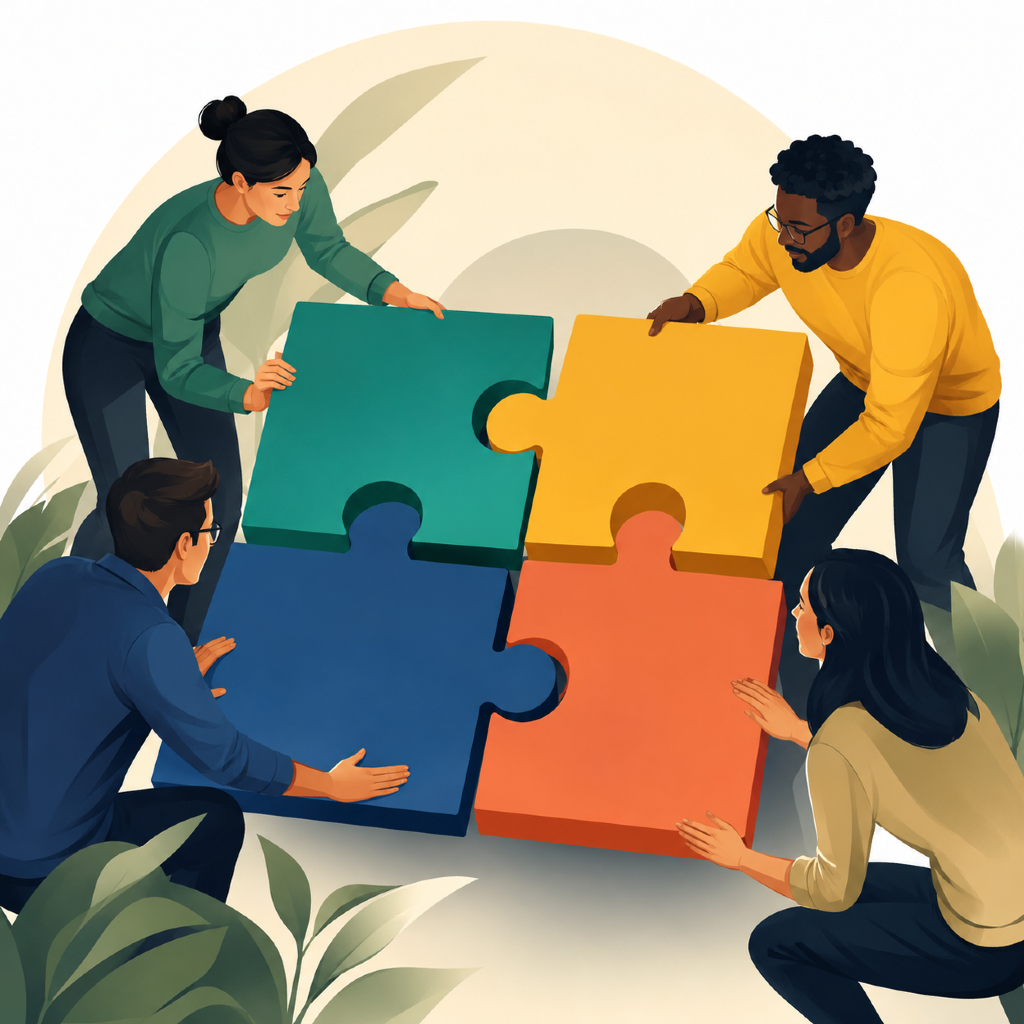
When teams perceive their leaders as trustworthy, overall effectiveness and engagement increase significantly. As workplaces evolve—spanning remote, hybrid, and in-person interactions—the ability to build strong professional relationships is now more critical than ever. This article examines the foundational principles and practical approaches leaders can use to foster trust and collaboration in any environment.
What Is Relationship Building in Leadership?
Defining leadership relationship building
In the context of leadership, relationship building goes beyond simple networking. It refers to the ongoing process of establishing meaningful, professional connections with individuals and teams throughout an organization. As a leader, relationship building is about creating an environment where people feel valued, heard, and respected. These connections provide the groundwork for open communication, psychological safety, and productive teamwork.
Key components and dynamics
Strong leadership relationships are built on trust, transparency, empathy, and mutual respect. They involve an active commitment to listening, understanding diverse perspectives, and responding authentically. Effective leaders are intentional about their presence—both in formal meetings and informal interactions. Over time, these investments generate shared understanding and collective accountability.
Why Does Trust Matter for Leaders?
Impact on team performance
Trust is a fundamental ingredient for high-performing teams. When you, as a leader, actively build trust, your team members are more likely to take initiative, share ideas, and collaborate openly. This translates into greater innovation, improved problem-solving, and stronger outcomes. Conversely, weak trust can lead to disengagement, reduced productivity, and challenges in meeting goals.
Long-term organizational culture
Trust doesn’t just influence immediate performance—it shapes the broader culture and reputation of your organization. A workplace where trust is consistently reinforced attracts and retains talent, encourages calculated risk-taking, and supports learning from failure. Leaders who prioritize relationship building set the tone for an organization that values integrity, inclusion, and continuous improvement.
How Can Leaders Foster Collaboration?
Role of communication skills
Clear, adaptable communication is essential for fostering collaboration. As a leader, you are responsible for setting expectations, listening for understanding, and promoting open dialogue. This includes both formal channels, such as team meetings and written updates, and informal exchanges. Effective communication nurtures psychological safety, making it easier for team members to contribute.
Encouraging diverse perspectives
Inclusive collaboration requires welcoming and respecting different viewpoints. Encourage team members to bring their unique experiences and insights to the table. You can facilitate this by creating structured opportunities for all voices to be heard—such as round-robin discussions or anonymous brainstorming sessions. By valuing diversity, leaders unlock creativity and strengthen team resilience.
Facilitating shared goals
True collaboration is built on alignment around common objectives. Clearly articulate your team’s purpose, roles, and expectations. Involve team members in setting goals to enhance ownership and engagement. When everyone shares a sense of direction, differences can become strengths rather than sources of friction.
Best Practices for Building Trust
Consistent transparency in actions
Transparency is the cornerstone of trust. Share both successes and setbacks openly, and provide context for organizational decisions when possible. When your actions match your words, you demonstrate integrity that inspires confidence. This consistency fosters credibility—even in times of uncertainty or change.
Delivering on commitments
Reliability is another mark of trustworthy leadership. Follow through consistently on promises and mutually agreed-upon actions, no matter how small they may seem. If unforeseen challenges arise, communicate promptly and honestly. Demonstrating accountability—by acknowledging limitations and learning from mistakes—also builds respect.
Feedback as a trust-building tool
Offer constructive feedback regularly, focusing on behaviors and outcomes rather than personal traits. Encourage your team members to share feedback with you as well, modeling a learning mindset. When feedback is given and received with respect, it deepens mutual understanding and trust within the team.
Common Challenges Leaders Encounter
Navigating remote and hybrid teams
Distributed work environments present new obstacles to relationship building. Leaders must bridge physical distance with intentional connection—such as regular video meetings, virtual “coffee chats,” and providing space for team members to share experiences. Digital tools can support communication, but the real key is purposeful engagement and accessibility.
Overcoming resistance and skepticism
Not every team member will immediately embrace new relationship-building efforts or collaborative initiatives. Sometimes, previous experiences or organizational changes may create skepticism. Address concerns empathetically, provide clarity about your intentions, and demonstrate consistency over time. Acknowledge the complexity of change—patience and persistence are often required to earn renewed trust.
How Can Leaders Sustain Strong Relationships?
Regular check-ins and active listening
Maintain strong relationships through frequent, meaningful check-ins—both one-on-one and in team settings. Use these moments to understand individual circumstances, celebrate wins, and identify challenges early. Active listening shows respect and signals that you value your team members’ perspectives and well-being.
Adapting to evolving team needs
Teams are dynamic; their composition, goals, and challenges will shift over time. Effective leaders remain flexible, adjusting communication styles, expectations, and support as needed. Soliciting ongoing feedback, practicing empathy, and investing in personal development all help you navigate the evolving landscape of relationship building.

