
Key Takeaways
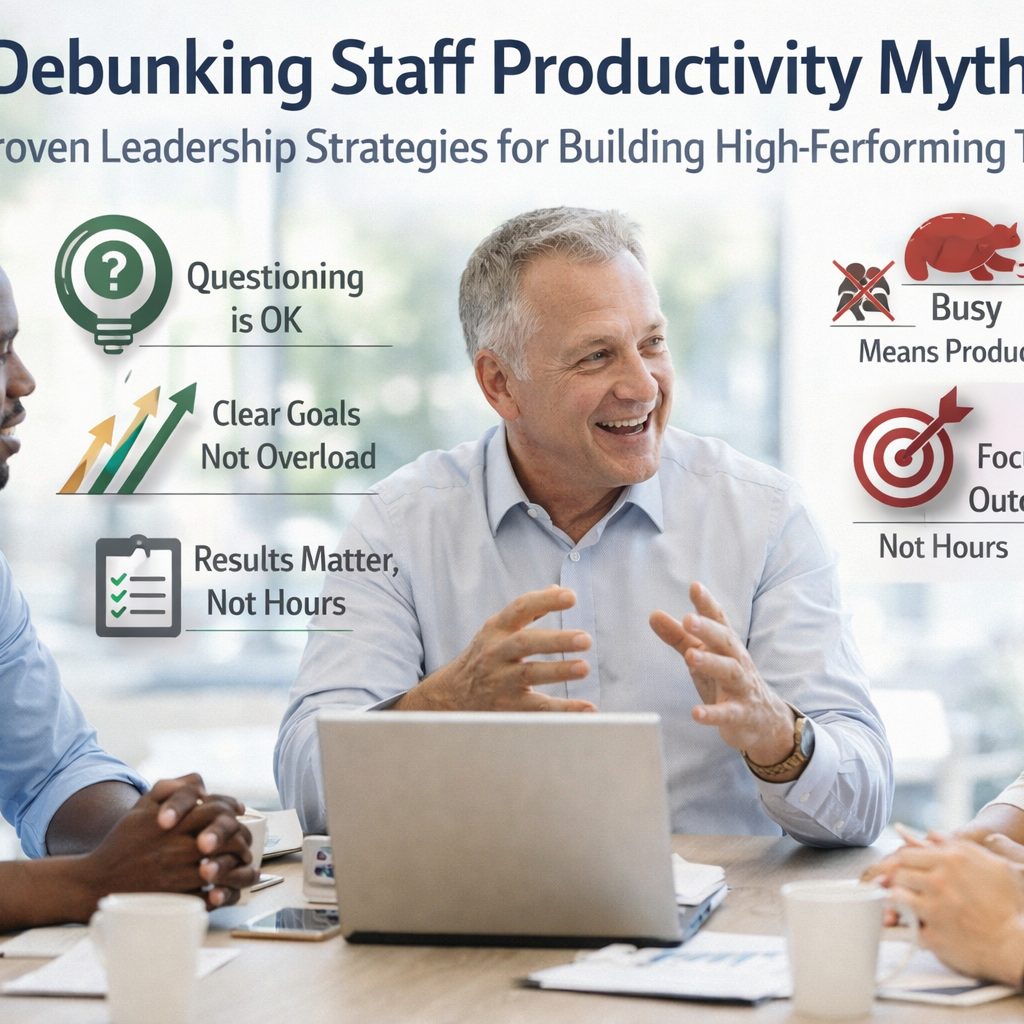
- True staff productivity is driven by motivation, autonomy, and clarity—not just hours worked or close monitoring.
- Leadership techniques that foster trust, purpose, and adaptability lead to sustained performance and more engaged teams.
Imagine a meeting where leadership debates whether tracking every minute or expecting longer hours will boost results. Many organizations fall into these traps, believing common productivity myths. Yet, research and real-world insights reveal a much different story. For leaders aiming to unlock genuine performance and grow resilient teams, separating myth from fact is essential. Here’s how you can lead with clarity and impact.
What Is Staff Productivity?
Common ways to define productivity
Staff productivity is often discussed as the relationship between the work produced and the resources (like time and effort) used. Some define it by output—how much gets done, or by efficiency—how well work meets goals using minimal resources. Productivity may also reflect the quality of results, not just the volume of completed tasks.
How productivity is measured in organizations
Organizations measure productivity in multiple ways. Key performance indicators (KPIs), such as completed projects or revenue per employee, are common. Many teams reference benchmarks, like task completion rates or customer feedback. Ultimately, effective measurement ties output to business goals, looks at trends over time, and acknowledges qualitative factors—not just the numbers.
What Myths Mislead Leaders Most?
Myth 1: Longer hours mean higher output
One of the most enduring myths is that simply spending more time at work drives results. While overtime may sometimes be necessary, numerous studies show that beyond a certain point, working longer hours leads to diminishing returns. Fatigue, stress, and declining morale can actually lower both the quality and quantity of output.
Myth 2: Productivity is only about speed
Another misconception is equating productivity with speed. While efficiency matters, focusing solely on how fast tasks are completed can sacrifice quality and creativity. Some tasks—such as strategic planning or creative work—benefit from slower, more thoughtful approaches. True productivity balances speed with attention to detail, problem-solving, and innovation.
Myth 3: Monitoring guarantees performance
It’s tempting to believe that close monitoring, such as tracking software or surveillance, ensures higher performance. In reality, constant monitoring can erode trust, increase stress, and encourage a culture of compliance rather than engagement. Teams perform best when given trust and space to manage their responsibilities.
What Are the Facts About Productivity?
Evidence-informed drivers of workplace performance
Research reveals that workplace performance is linked to several key factors. These include clear goals, a sense of purpose, supportive leadership, and the right resources. High-performing teams tend to have a shared understanding of objectives and know how their work connects to broader outcomes.
Motivation is a critical driver. You get better performance from staff who feel their contributions matter and who have opportunities for growth and recognition. Environments that prioritize both collaboration and individual accountability typically see sustained productivity gains.
The role of motivation, autonomy, and clarity
Motivation—both intrinsic (personal satisfaction) and extrinsic (rewards and recognition)—fuels engagement. Autonomy allows employees to take ownership and make decisions about their work, which often increases innovation and accountability. Finally, clarity in roles, expectations, and organizational direction helps people prioritize and execute effectively.
Which Leadership Techniques Truly Work?
Fostering autonomy and trust
Empowering staff by giving them a say in how they work—such as flexible hours or letting teams shape their workflows—shows trust and encourages stronger commitment. When you foster autonomy, employees are more likely to take initiative and solve problems rather than wait for directions.
Communicating purpose and vision
Leaders who connect daily tasks to a larger mission inspire deeper commitment. Regularly sharing the purpose and vision behind projects helps staff see the value in their work and understand how they contribute to broader goals. Effective communication builds alignment and keeps teams motivated during challenges.
Encouraging feedback and adaptability
Productive teams are built on open feedback. Encouraging regular check-ins, welcoming ideas from every level, and making adjustments as needed are hallmarks of adaptive leadership. When you show a willingness to change course and value team input, your staff becomes more resilient and innovative.
How Do Context and Culture Shape Results?
Recognition of business environment specifics
No two organizations are the same. Factors like industry, company size, and market conditions influence what productivity strategies will work best. A fast-paced tech startup may need frequent pivots, while a manufacturing firm might prioritize consistency and process improvement.
Understanding your business environment means considering external pressures, customer needs, and technological trends when designing productivity initiatives. This mindset helps ensure efforts are relevant and effective.
Adapting approaches for different teams
Each team brings its own culture, working style, and expectations. Successful leaders tailor their techniques—such as communication style, autonomy granted, or recognition methods—to fit team needs. By respecting differences and staying flexible, you can harness the strengths of diverse groups while minimizing friction.
What Are Common Productivity Pitfalls?
Ignoring employee wellbeing
Underestimating the importance of wellbeing can quickly erode productivity. Burnout, stress, and lack of balance reduce engagement and increase turnover. Leaders who prioritize employee support—through reasonable workloads, clear expectations, and access to resources—see better long-term performance.
Overemphasizing tools over strategy
Adopting the latest productivity tool won’t fix deeper issues on its own. While technology can help streamline processes, success depends on having sound strategies, well-communicated goals, and a supportive culture. Focus first on clarity and alignment, then equip your teams with the right tools to help them succeed.
How Can Leaders Continue Improving?
Investing in ongoing leadership learning
Effective leadership evolves with changing times. Investing in ongoing learning—through training, mentorship, or networking—keeps you updated on best practices and emerging trends. Continuous growth helps maintain team engagement and ensures your approach remains relevant.
Seeking feedback from diverse voices
Regularly seeking input from a range of staff, peers, and even customers strengthens your leadership. Diverse feedback uncovers blind spots, helps you address issues proactively, and keeps strategies inclusive and adaptable. Embracing feedback as a leadership habit fosters a culture of trust and improvement.

