
Key Takeaways
- Digital tools, when thoughtfully integrated, can play a critical role in promoting accessibility and inclusion within leadership structures.
- Sustained progress in inclusive leadership requires ongoing adaptation, organizational learning, and a willingness to address technical and cultural challenges.
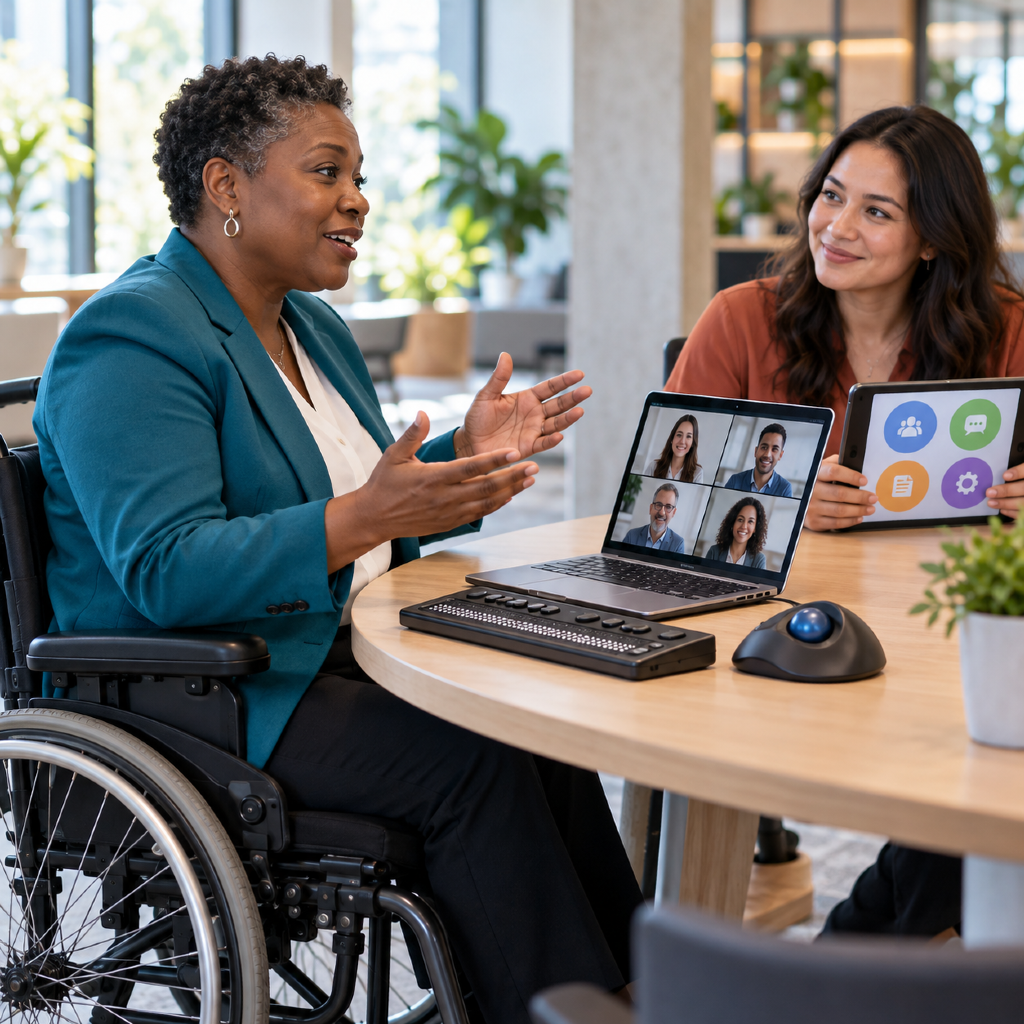
Workplace disability inclusion gaps remain a pressing concern worldwide; despite decades of progress, many capable professionals encounter daily barriers to participation. Digital tools offer leaders an opportunity to bridge these gaps and foster a more accessible, inclusive working environment for all.
What Does Inclusive Leadership Mean?
Defining inclusive leadership
Inclusive leadership is an approach that prioritizes creating environments where all individuals, regardless of ability, background, or perspective, feel valued and empowered to contribute. As an inclusive leader, you take deliberate steps to ensure that diverse voices—especially those often marginalized—have equal opportunities to participate in key organizational decisions.
Characteristics of inclusive leaders
Inclusive leaders embody traits such as openness, empathy, adaptability, and a commitment to continuous learning. You embrace different communication preferences, consider a variety of perspectives, and recognize the value of lived experiences. By modeling curiosity and humility, you help to lower barriers and set the tone for widespread inclusion within your teams.
Why Are Digital Tools Important?
Role in workplace accessibility
Digital tools are essential for making workplaces more accessible. Features like screen readers, captioning, voice-to-text, and customizable interfaces can dramatically lower barriers for professionals with disabilities. When you leverage these tools, you enable team members to access information, participate in virtual meetings, and contribute effectively regardless of physical or sensory limitations.
Supporting diverse leadership styles
Leadership thrives on adaptability. Digital tools allow you to flex your leadership style, offering asynchronous communications, visual aids, and alternative documentation methods. Different team members can engage and lead in ways that suit their strengths—whether that’s through written updates, video commentary, or interactive platforms. This flexibility creates a more equitable environment for leaders and contributors with varying needs.
Case Overview: Company X’s Approach
Organizational goals and challenges
Company X, a midsize professional services firm, set out to close critical accessibility gaps within its leadership and broader workforce. It sought to enable professionals with disabilities to advance into management roles by removing systemic and technical barriers. At the outset, Company X’s leadership identified both a moral imperative and a strategic advantage in fostering greater workplace inclusion.
Initial environment and context
Prior to intervention, Company X offered standard digital communication and productivity tools. Yet, informal feedback revealed that these tools were not fully accessible to employees with visual, hearing, or dexterity-related disabilities. Meeting participation was often limited by lack of real-time captioning and non-customizable interfaces, making it challenging for some professionals to engage meaningfully in leadership activities. The existing culture valued inclusion but lacked systematic approaches for realizing it.
How Were Digital Tools Integrated?
Accessibility features introduced
Company X conducted an audit to identify high-impact accessibility enhancements. The company upgraded core platforms to include screen reader compatibility, keyboard navigation, and voice command functions. They implemented closed captioning for all video meetings and ensured that all shared documents met recognized accessibility standards, such as proper tagging and contrast ratios.
Communication and collaboration enhancements
Recognizing the diversity of communication needs, Company X rolled out asynchronous messaging and visual collaboration platforms. Team members could contribute via written, audio, or visual formats based on their preference or ability. Live chat with built-in accessibility features and project management tools with customizable notifications allowed for greater participation—particularly for leaders who benefitted from alternative communication methods.
What Obstacles Did Leaders Face?
Technical limitations encountered
While integrating digital tools, leaders at Company X faced compatibility issues between legacy systems and newer accessibility-focused platforms. Some specialized features required additional training or adjustment periods, and not all third-party tools had robust support for every type of disability. Budget and resource allocation for comprehensive upgrades were a persistent consideration, requiring thoughtful prioritization.
Cultural and behavioral adaptations
Beyond technology, Company X’s leadership needed to address ingrained habits and beliefs. Moving to more accessible processes challenged existing routines. Leaders had to model patience, cultivate psychological safety, and encourage feedback from all team members—especially those experiencing accommodation for the first time. Training sessions and open forums became critical to building confidence with the new tools and reinforcing a culture of inclusive leadership.
Key Takeaways for Leadership Teams
Lessons learned from the case study
Company X’s experience highlights the importance of approaching digital tool integration as an evolving process, not a one-time fix. Sustained accessibility requires ongoing input from end users, openness to pivot strategies, and continuous review of emerging technologies. Leadership teams who champion change, openly communicate intent, and celebrate feedback build lasting trust and stronger outcomes.
Best practices for broader application
For your own organization, begin with a holistic accessibility assessment and involve individuals with disabilities in the decision-making process. Invest in adaptable, interoperable tools that evolve with your needs and industry standards. Regular training and awareness sessions, transparent progress updates, and recognition of diverse contributions build momentum for long-term culture change.
Can Digital Tools Fuel Long-Term Inclusion?
Sustaining progress over time
Achieving a truly inclusive workplace is not a finite project—it requires clarity of vision, measurable milestones, and a willingness to adapt. Digital tools can sustain progress if they are periodically reviewed for relevance and effectiveness. Encourage ongoing feedback loops and dedicate resources to maintaining both technological and organizational growth.
Potential for expanding accessibility
Looking ahead, emerging technologies such as AI-driven assistive platforms and personalized adaptive interfaces promise even broader accessibility. Leaders can prepare by fostering innovation mindsets and supporting pilot programs tailored to local and individual needs. By staying attuned to both user experiences and new solutions, you keep inclusion at the forefront of your leadership strategy.