
Key Takeaways:
- Effective communication skills are essential in motivating and influencing team performance.
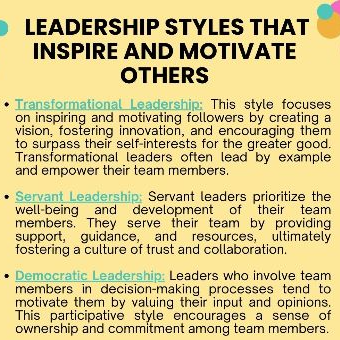
- Adopting a flexible leadership style can enhance employee engagement and overall team success.
In the ever-evolving landscape of business, inspiring and managing teams requires more than just authority; it necessitates an understanding of motivation, communication, and effective leadership. Articles and books may speak about enticing employees through perks or incentives, but true influence often stems from intrinsic motivation fostered by skilled leadership. This article explores essential strategies for motivating and influencing teams, emphasizing practical advice and actionable insights for leaders.
Understanding Team Motivation
Leaders must first understand what drives their teams. Different employees have varying motivations—some thrive on recognition, while others prefer personal development. Recognizing these distinctions is critical. A successful strategy for influence starts with a keen awareness of individual drivers.
Focus on building personal connections with team members. Schedule one-on-one meetings, not just to discuss performance but also to understand their aspirations, challenges, and viewpoints. This can create a sense of belonging and make employees feel valued, significantly boosting their motivation levels.
What Role Does Communication Play in Team Influence?
Communication is the cornerstone of effective leadership and team motivation. The dynamic between leaders and their teams should be open and reciprocal. Foster an environment that encourages team members to voice their ideas, concerns, and feedback.
One effective communication technique is practicing active listening. This means fully concentrating, understanding, responding, and then remembering what is being said. When team members feel heard, they are more likely to engage with their work and the overall goals of the organization.
Goal Setting for Better Engagement
Setting clear, achievable goals is essential for keeping team members engaged and motivated. It is important to involve your team in the goal-setting process. When employees help shape their own objectives, they are more likely to take ownership and responsibility for achieving them.
Break larger organizational goals into manageable milestones. Celebrating these small victories can provide teams with a sense of accomplishment and motivate them toward further successes. Implementing regular reviews of these goals also ensures that everyone remains aligned and informed about their progress.
Diversity and Inclusion as a Motivational Tool
A diverse team can bring forward a wealth of ideas and perspectives. Promoting diversity and inclusion within your teams can not only enhance creativity but also improve overall performance. As a leader, commit to fostering an inclusive culture. This involves listening to and respecting different opinions and backgrounds.
Workshops and discussions surrounding diversity can help to sensitize team members and cultivate an environment of understanding—this openness naturally leads to enhanced team morale and motivation.
Delegation: Trusting Your Team
Delegation is fundamental for effective leadership. Leaders often feel the pressure to oversee every detail of their projects. However, distributing tasks empowering team members fosters trust and respect. It allows leaders to focus on higher-level strategies while encouraging their team to develop new skills and take ownership.
Effective delegation requires thoughtful consideration. Understanding the strengths and weaknesses of your team can help you delegate effectively. Moreover, make it clear that support is available—your team should feel comfortable approaching you with questions or concerns.
Conflict Resolution and Team Cohesion
Conflicts are inevitable in any group setting, but how leaders handle conflict can significantly influence team cohesion. Encouraging open dialogue during conflicts and focusing on solutions rather than blame cultivates a more harmonious environment.
Utilize conflict resolution techniques, such as mediation, to ensure that all voices are heard. This approach can lead to deeper understanding among team members and empowers them to resolve differences collaboratively.
Managing Stress for Improved Productivity
Stress can drastically impact motivation and productivity. As a leader, be proactive in mitigating stress within your team. Encourage breaks, maintain a reasonable workload, and promote work-life balance.
Implement mindfulness programs or team-building activities outside of work responsibilities. Employees who feel supported are less likely to experience burnout, leading to increased motivation and engagement.
Providing Effective Feedback
Feedback is one of the most powerful tools leaders can utilize to influence performance. However, it must be delivered effectively to be impactful. Regular, constructive feedback helps employees understand their strengths and areas for improvement.
Focus on specific examples, and balance positive feedback with areas that need attention. This approach fosters an environment of continuous improvement and demonstrates your investment in their development.
In conclusion, effectively motivating and influencing your teams requires a multifaceted approach. Use communication to foster connections, involve team members in goal-setting, ensure diversity and inclusion, delegate effectively, handle conflicts with care, manage stress wisely, and provide consistent, constructive feedback. By weaving these strategies into your leadership style, you can build a motivated and high-performing team that thrives in today’s dynamic business environment. The journey may be challenging, but the results will lead to a more engaged workforce, higher productivity, and ultimately, the success of your organization.

