
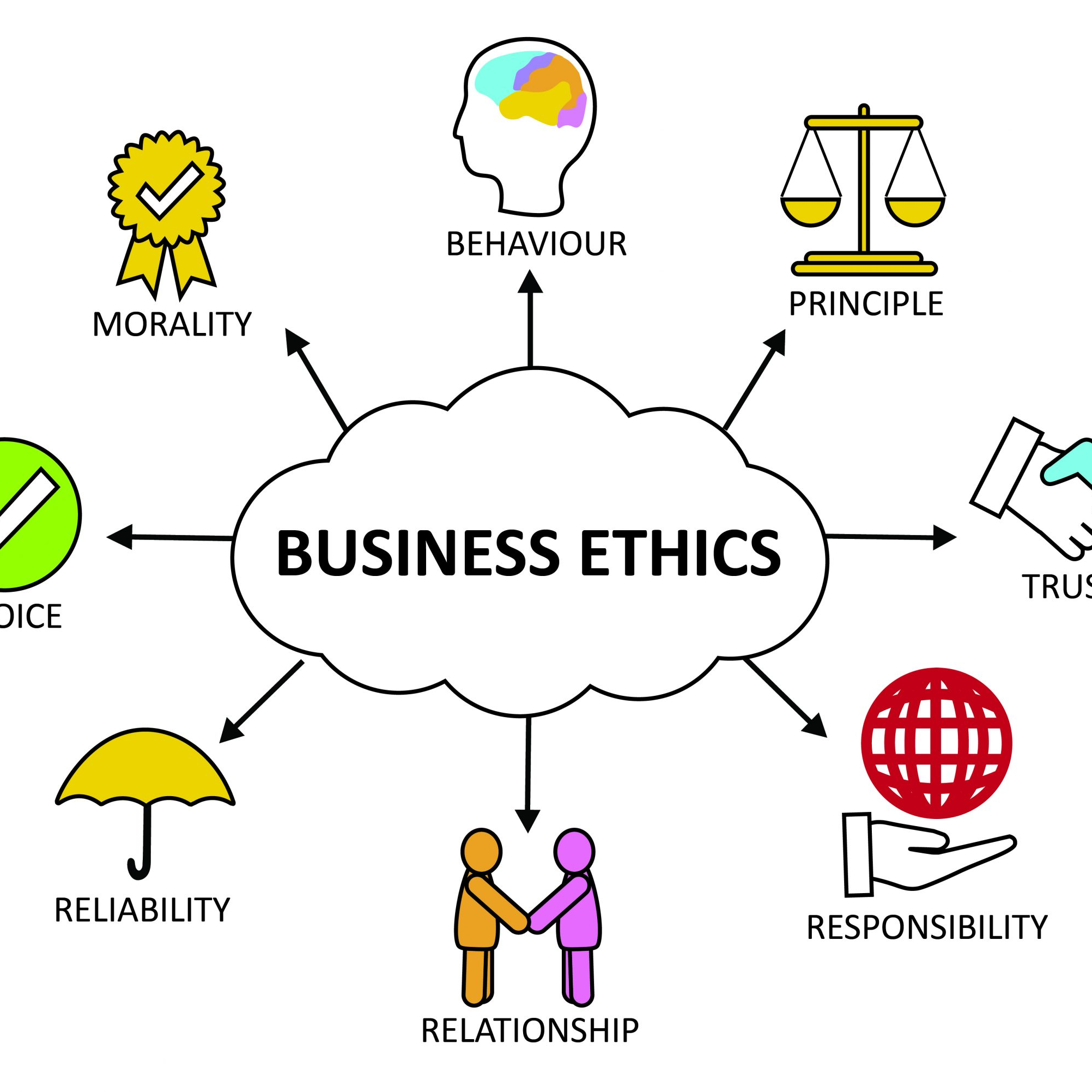
Honestly, profit-making is not only the top priority for every business but also serves as a vehicle for a greater calling and honor to someone with a vision for the company. However, to achieve this financial milestone, you need first-class business ethics starting from a stewardship model.
Therefore, a corporation emphasizing environmental protection can adopt the stewardship model of corporate governance because it believes it should have minimal adverse effects on the business. The stewardship theory explains a significant relationship between satisfaction and corporate success.
It is based on the premise that when given discretion, managers will act as responsible stewards of the assets over which they preside. Some companies, for instance, have promised to be accountable stewards even though their products require vast quantities of the commodity.
What is the Effect of the Steward Model?
A steward must care for something on behalf of another individual or group of people. Therefore, a good stewards model must focus on the business blueprint. Nevertheless, the effect may negatively or positively impact customers, employees, and businesses. Below are the direct effects on business.
Impact on Enterprise
Customers have the sole decision and noble mission to stick to business. Therefore, seriously decide whether or not a company’s claims of stewardship or social responsibility in its corporate governance are consistent with the company’s actual practices. When there is a disconnect between words and deeds, customers become dissatisfied.
Impact on Staff
It will quickly be evident when a company truly values its employees as stewards. Employees may have higher expectations when an employer is motivated solely by profit.
On the contrary, workers who share the company’s vision are more likely to stay put and invest extra effort to achieve the company’s objectives, even if the pay isn’t as high as it could be elsewhere. Employees with a strong sense of stewardship are more interested in the business’s success.
Impact on Clients
Consumer stewardship theory’s merits and shortcomings need to be examined in light of the widespread political polarization that characterizes modern society.
Even if the price of goods or services is higher at a firm that places a premium on good stewardship, customers will always be willing to pay more to feel like they are contributing to something bigger than themselves. This makes the firm’s stance on stewardship turn off some customers and adversely affect business.
Challenges of the Stewardship Model
Companies with a focus on stewardship are currently being scrutinized. Customers and employees will lose faith and stop believing in the organization if they see that its stated purpose is nothing more than lip service.
These organizations may offer excuses, such as social duty, to explain price hikes or quality declines in their goods and services. A corporation may forego certain short-term gains to further its objective. No matter what the effect of the stewardship model on business ethics, the significant impact hits:
- The customers
- The employees
- And the business’ productivity
Therefore, risks of being neglected as a firm become easy if the original ethics are no longer in place. Businesses and employees could use this stewardship mentality for their gain.
Contact Information:
Email: [email protected]
Phone: 6024139544
Bio:
Stan Smith is a small business owner who has successfully navigated his company through multiple challenges including financial hardships, Covid, hard economic times, and hiring issues. Through his sound business practices and unwavering determination, he not only managed to stay in business but also grew his business where others failed.
With years of experience as a small business owner, Stan has established himself as a respected figure in the industry. He is highly regarded for his business acumen, strategic thinking, and ability to adapt to changing market conditions.
Despite the challenges he faced, Stan never lost sight of his goals and remained committed to his business and his employees. He implemented innovative strategies to increase efficiency and reduce costs, and always put his customers first.
Stan’s dedication to his business and his employees has paid off. Today, his company is thriving and continues to grow. His success is a testament to his hard work, resilience, and unwavering commitment to his vision.